



How to Throw a Perfect Jab in Boxing
The jab is the most important punch in boxing. It sets up everything else, controls distance, and scores points without leaving you open. A sharp, fast jab keeps your opponent guessing and lets you dictate the fight. In this guide you will learn the mechanics of a clean jab, the mistakes that slow it down, and the training that adds real hand speed to your lead hand.
Why is the jab the most important punch in boxing?
The jab does more jobs than any other punch. It measures the distance between you and your opponent, so you know when your power shots will land. It interrupts their rhythm and keeps them on the back foot. It opens the door for the cross and the hook that follow. Great boxers throw more jabs than any other punch because it is the safest, most useful tool they own.
A good jab is fast, straight, and snappy, and it comes back just as quickly as it goes out. You are not trying to knock someone out with your jab, you are trying to touch them and get home before they can answer. Thrown well, it wins rounds on the scorecards and controls the pace of the entire fight. That is why coaches drill it more than any punch in the gym.
The jab is also more versatile than most fighters realize. You can double it up to walk an opponent onto the ropes, throw it to the body to bring their guard down, or fake it to freeze them before you throw something else. A stiff jab keeps them honest, and a soft, flicking jab measures range and gathers information. Once you own the basic straight jab, these variations turn one punch into a whole toolbox you can use to control any style in front of you.
What does a clean jab look like from start to finish?
A jab is a straight line, not a loop. It fires from your guard, travels the shortest path to the target, and snaps back to protect your face. Use the table below to check each phase against the mistake that quietly robs most fighters of speed and power.
| Phase | What to do | Common mistake |
|---|---|---|
| Stance | Hands up, chin down, weight balanced, knees soft | Standing square with the lead hand low |
| Launch | Fire straight from the guard, no wind up | Dropping or cocking the hand first and telegraphing |
| Contact | Extend fully, rotate the fist, small step in behind it | Reaching with the arm only and no body behind it |
| Return | Snap the hand straight back to your cheek | Leaving the hand out and getting countered |
The return is the phase fighters ignore, and it is the one that gets them hurt. A jab that lands but comes back slowly leaves a wide open lane for a counter right down the middle. Train yourself to think of the jab as a there and back motion, not a punch you throw and admire. The hand that fires fastest and recovers fastest is the one that controls the exchange.
How do you make your jab faster and sharper?
A jab lives and dies on hand speed. The faster your lead hand fires and recovers, the more you land and the less you get hit on the way back. Speed comes from relaxed, explosive muscles that fire fast and reset fast, not from tension. Training with light weight on your hands overloads the shoulders and arms that throw the punch, so when you take the weight off, your hands feel lighter and snap through the target. It is one of the oldest tricks in boxing for a reason.
Just as important is staying loose. A tight, tense arm is a slow arm, so the best jabbers keep their shoulders relaxed and only clench the fist at the moment of impact. Weighted glove work quietly teaches this, because you cannot muscle a punch for three minutes with weight on your hands, you have to let the punch flow and snap. That relaxed, whip like feel is exactly what carries over when the weight comes off and you throw for real.
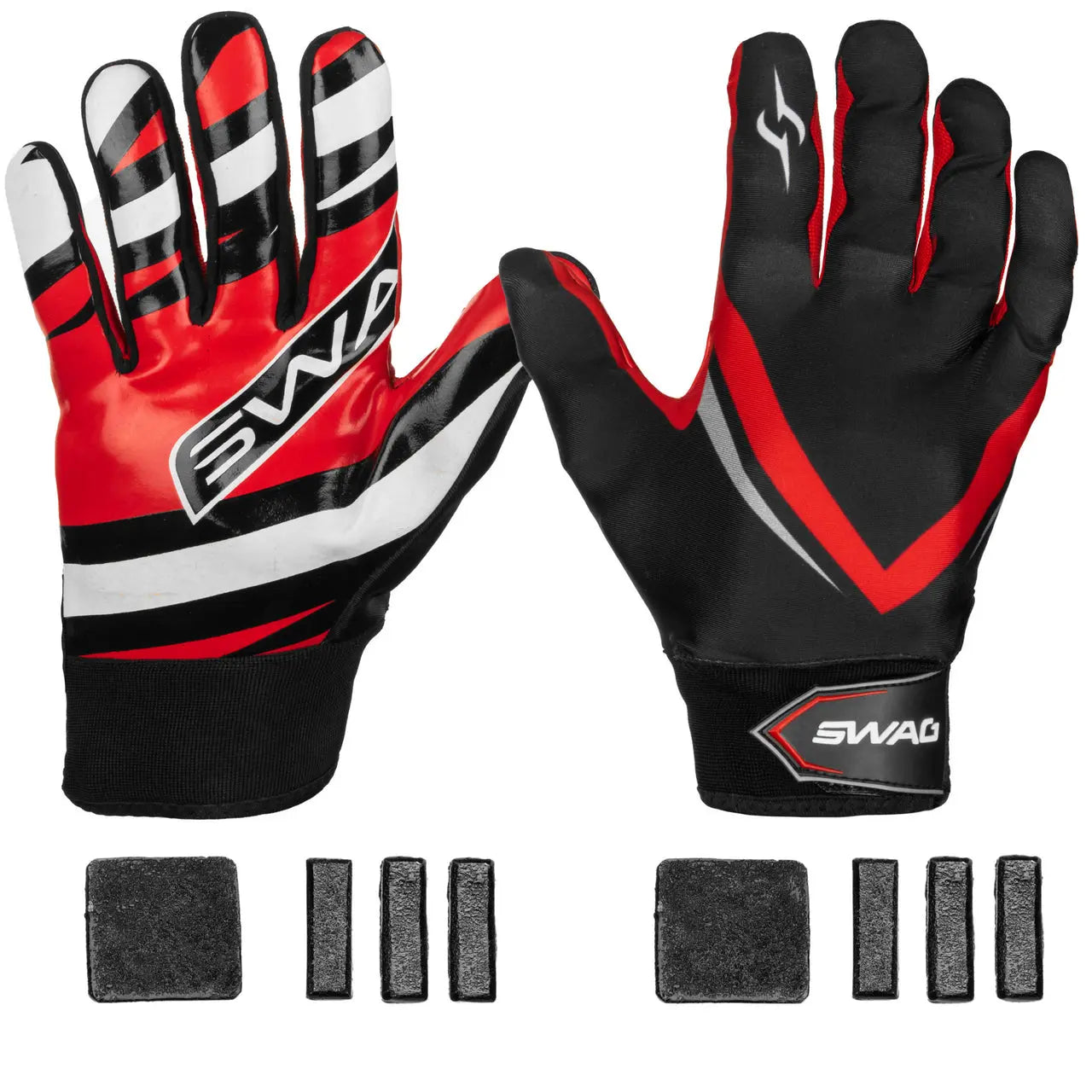
S.W.A.G. Adjustable Weighted Gloves
Shadowbox with adjustable hand weight to build the explosive speed that makes your jab snap and reset faster.
Which drills build a sharper jab?
A great jab is built on repetition and speed work. Run these five drills to lock in a straight, fast lead hand you can trust in the ring.
Jab questions coaches ask
Should I turn my fist over on the jab?
Yes. Rotating the fist so the palm faces down at contact adds snap and lines up your knuckles for a cleaner, sharper punch.
How do I stop telegraphing my jab?
Fire straight from your guard with no wind up. Any dip, cock, or shoulder load warns your opponent that it is coming.
How hard should I throw my jab?
Most jabs are about speed and placement, not power. Use a stiff, snapping jab to control distance and save your force for the shots behind it.
How do I add speed to my hands?
Stay relaxed and train explosive resets. Light weighted glove work builds speed you feel the moment you take the weight off.
Sharpen the punch that runs the fight
Build the hand speed that makes your jab snap and reset in a blink.
Tags: Boxing, Jab, Punching Technique, Hand Speed, Combat Sports, Weighted Gloves