Attack Every Hurdle.
Competition track hurdles with NFHS pullover weights, rocker hurdles, aluminum practice hurdles, speed and agility training hurdles, and hurdle carts.
Race Hurdles and Training Hurdles, Side by Side.
JayPro high school and collegiate hurdles with easy height adjustment and spec pullover weights, Fisher square and round aluminum hurdles for practice lanes, adjustable and speed training hurdles for footwork work, and a hurdle cart that moves a full flight at once.






Hurdles That Meet Spec and Survive the Season.
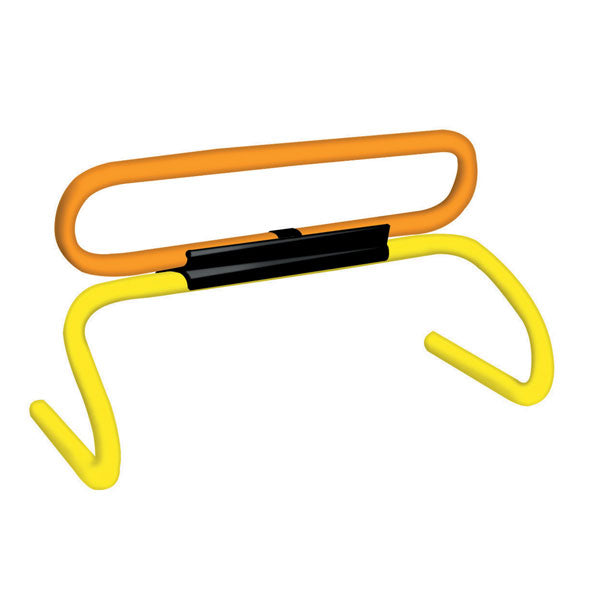
Competition hurdles here meet NFHS pullover weight requirements with easy height adjustment — including JayPro rocker hurdles and collegiate models with spring-loaded adjustable weights.
Practice lanes get Fisher HS1450 square and HS1250 round aluminum hurdles, and the MHC hurdle cart moves a full flight between storage and the track in one trip.
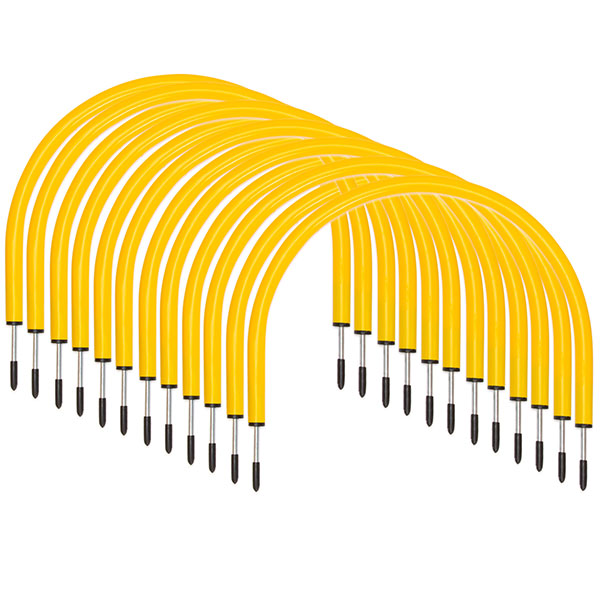
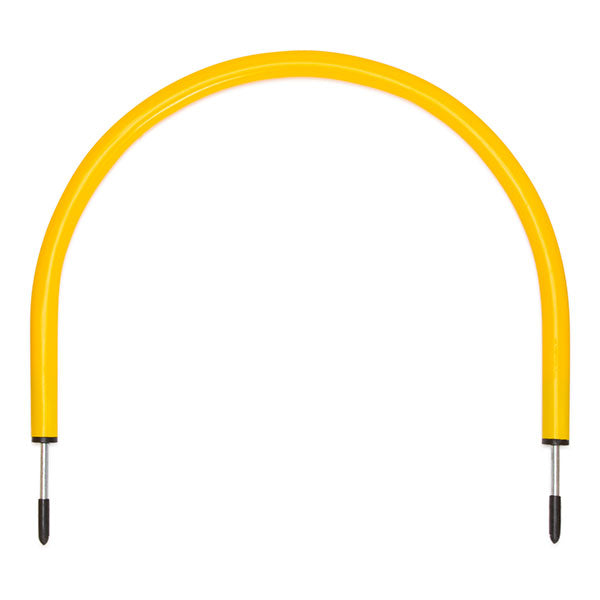
Training hurdles — 6" and 12" speed hurdles, adjustable kits, and plyo sets — build hurdle rhythm and sprint mechanics for every athlete on the roster.
Common Questions.
What is the difference between competition and training hurdles?
Competition hurdles meet height and pullover-weight specs for sanctioned racing. Training hurdles (6"–12" speed hurdles) are lightweight tools for rhythm, footwork, and mechanics.
How many hurdles does a track program need?
A full flight is 10 per lane; most schools outfit 2–4 practice lanes plus a competition set. A hurdle cart pays for itself in setup time.
Three Steps. Attack.
Outfit the practice lanes, keep a spec set for meets, and add speed hurdles for the whole team’s mechanics.